


How to Safely Remove Broken Key from Locks

A broken key stuck in a lock can be a frustrating and inconvenient problem. Whether it happens at home, in your car, or at the office, knowing how to safely remove a broken key can save you time, money, and stress. This guide will walk you through practical steps and tips to handle this common issue effectively.
Understanding How to Remove Broken Key from Locks
When a key breaks inside a lock, it usually happens because of wear and tear, excessive force, or a faulty key. The broken piece can get lodged deep inside the lock cylinder, making it difficult to turn or remove. Before attempting any removal, it is important to understand the lock mechanism and the position of the broken key piece.
Key points to consider:
Avoid pushing the broken key further inside.
Use gentle, steady pressure to prevent damage.
Have the right tools ready before starting.
Knowing these basics will help you approach the problem calmly and carefully.
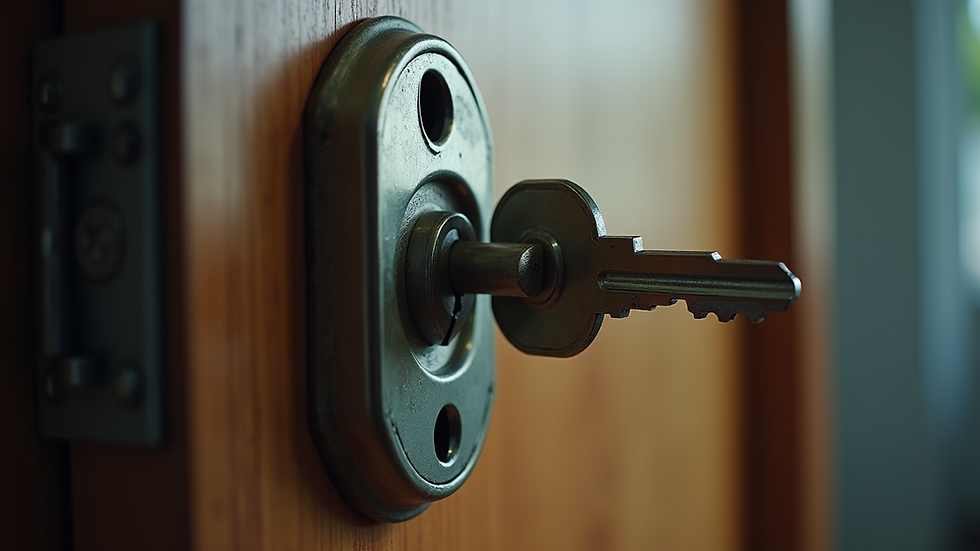
Tools and Materials Needed to Remove Broken Key
Having the right tools can make the process of removing a broken key much easier. Here is a list of common tools and materials you might need:
Needle-nose pliers or tweezers
A small flathead screwdriver
A key extractor tool (available at hardware stores)
Lubricant spray (such as graphite or WD-40)
A flashlight for better visibility
Safety glasses to protect your eyes
Using these tools properly can help you extract the broken key without damaging the lock. For example, a key extractor tool is specifically designed to grip and pull out broken key fragments.
How to remove a key that has broken off in a lock?
If you find yourself with a broken key in your lock, follow these step-by-step instructions:
Assess the situation: Use a flashlight to look inside the lock and determine how much of the key is stuck.
Apply lubricant: Spray a small amount of lubricant into the lock to loosen the key fragment.
Use tweezers or pliers: If part of the key is visible, gently try to pull it out with needle-nose pliers or tweezers.
Try a key extractor tool: Insert the tool into the lock and hook the broken key piece. Slowly pull it out.
Avoid forcing the key: If the key does not come out easily, do not force it as this can damage the lock.
Call a locksmith if needed: If all else fails, professional help is the safest option.
Patience and a gentle touch are essential during this process to avoid further complications.

Preventing Broken Keys in Locks
Prevention is always better than cure. Here are some tips to reduce the chances of your key breaking inside a lock:
Use keys gently: Avoid using excessive force when turning keys.
Keep keys and locks clean: Dirt and debris can cause keys to stick and break.
Duplicate keys: Have spare keys made to avoid overusing a single key.
Replace worn keys: If a key looks bent or worn, get a new one cut.
Lubricate locks regularly: Use graphite powder or silicone spray to keep locks smooth.
By following these simple practices, you can extend the life of your keys and locks.
When to Seek Professional Help
Sometimes, despite your best efforts, a broken key may be too difficult to remove safely. Signs that you should call a locksmith include:
The key is deeply embedded and not visible.
Attempts to remove the key have failed.
The lock is damaged or not functioning properly.
You do not have the right tools or experience.
Professional locksmiths have specialized tools and expertise to handle broken key in lock removal without causing damage. This can save you from costly repairs or lock replacements.
Knowing how to safely remove a broken key from a lock is a valuable skill that can save you from many headaches. Whether you try it yourself or call a professional, acting carefully and patiently is key. Remember to keep your keys and locks well-maintained to avoid this problem in the future. For more detailed guidance on broken key in lock removal, check out trusted locksmith resources online.


Comments